VISUAL GUIDE TO REAL ESTATE PHOTOGRAPHY
The difference between a property that attracts visits and one that sits for months on the market, explained through 10 practical examples of what not to do.
THE FIRST VISIT IS DIGITAL
Did you know that online buyers decide in less than 3 seconds whether or not to click on your ad? The quality of photographs is not just aesthetic; it's the main filter that defines who books an in-person visit.
This practical guide compares amateur vs professional photographs. Discover common mistakes that devalue properties by thousands of euros and learn the vital metrics of high-impact image production.
Frontal vs Diagonal Perspective (Kitchens and Bathrooms)
Shooting straight on (at 90º) flattens the space, removes the sense of depth and often captures the photographer reflected in tiles or appliances, creating an unprofessional, two-dimensional image.
Shooting in diagonal perspective, from the corners of the room or entrance doorways. This reveals three walls, instantly providing a sense of depth (3D), volume, and flow within the room.
Basic Technique
Knowledge of spatial positioning.
All small and square spaces.
Increases the perception of space and avoids reflections on dividers.
Closed Doors vs Open Doors
Closed or half-open doors create visual barriers, interrupting the flow of the home. Very closed environments look smaller and maze-like in photos, reducing buyer interest.
All doors open (including access to balconies and bathrooms, provided they are well prepared). This creates long “lines of sight,” conveying the idea of an open plan, fluidity, and continuity.
Very Simple
No extra equipment. Just opening the doors.
All properties, except for cluttered storage rooms.
Demonstrates flow, increases the feeling of space and builds interest.
Vertical Line Alignment
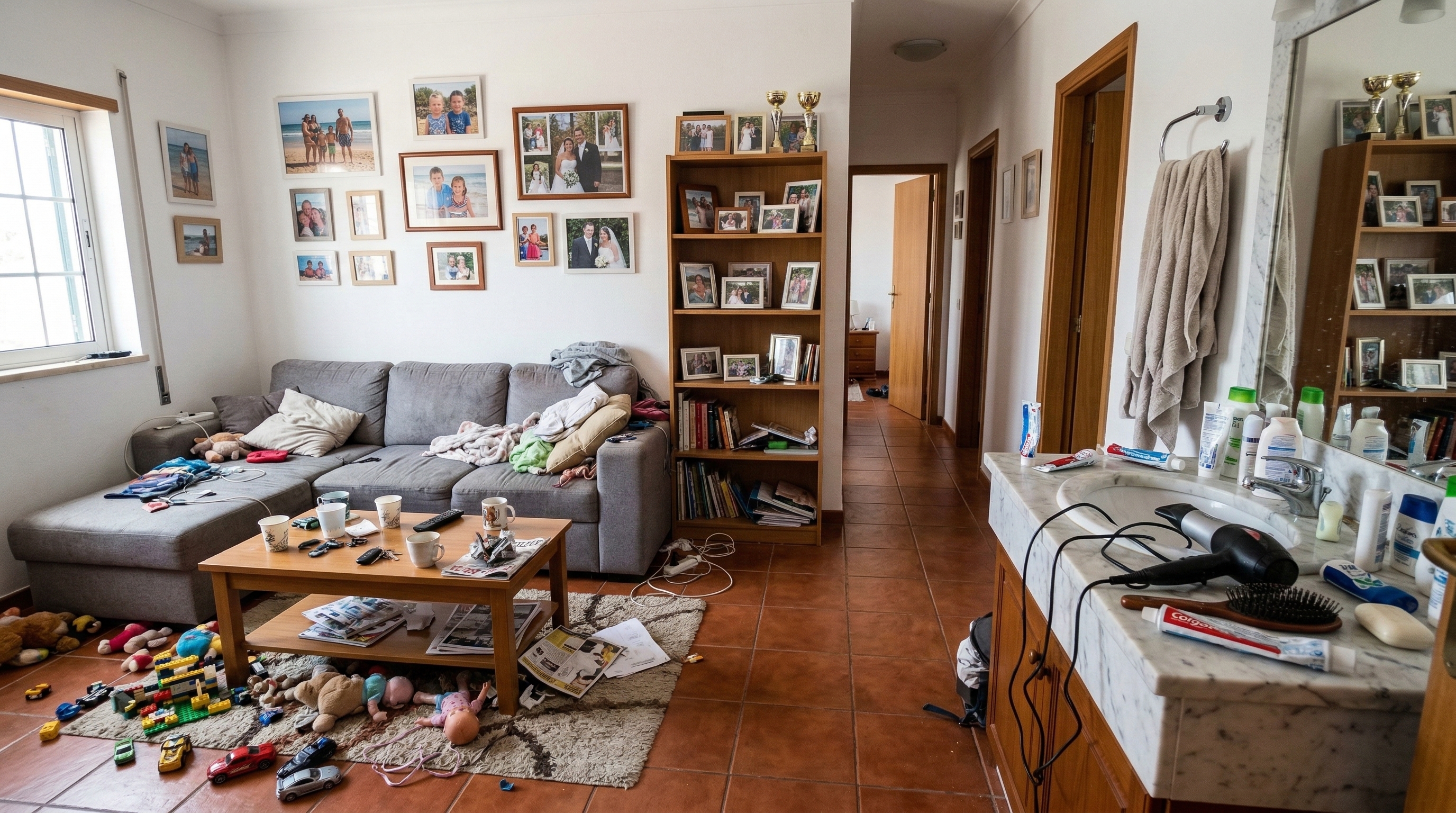
Falling or distorted lines. When the camera is tilted up or down, walls and door frames look like they're about to fall over. This causes unconscious discomfort to the viewer and looks amateur.
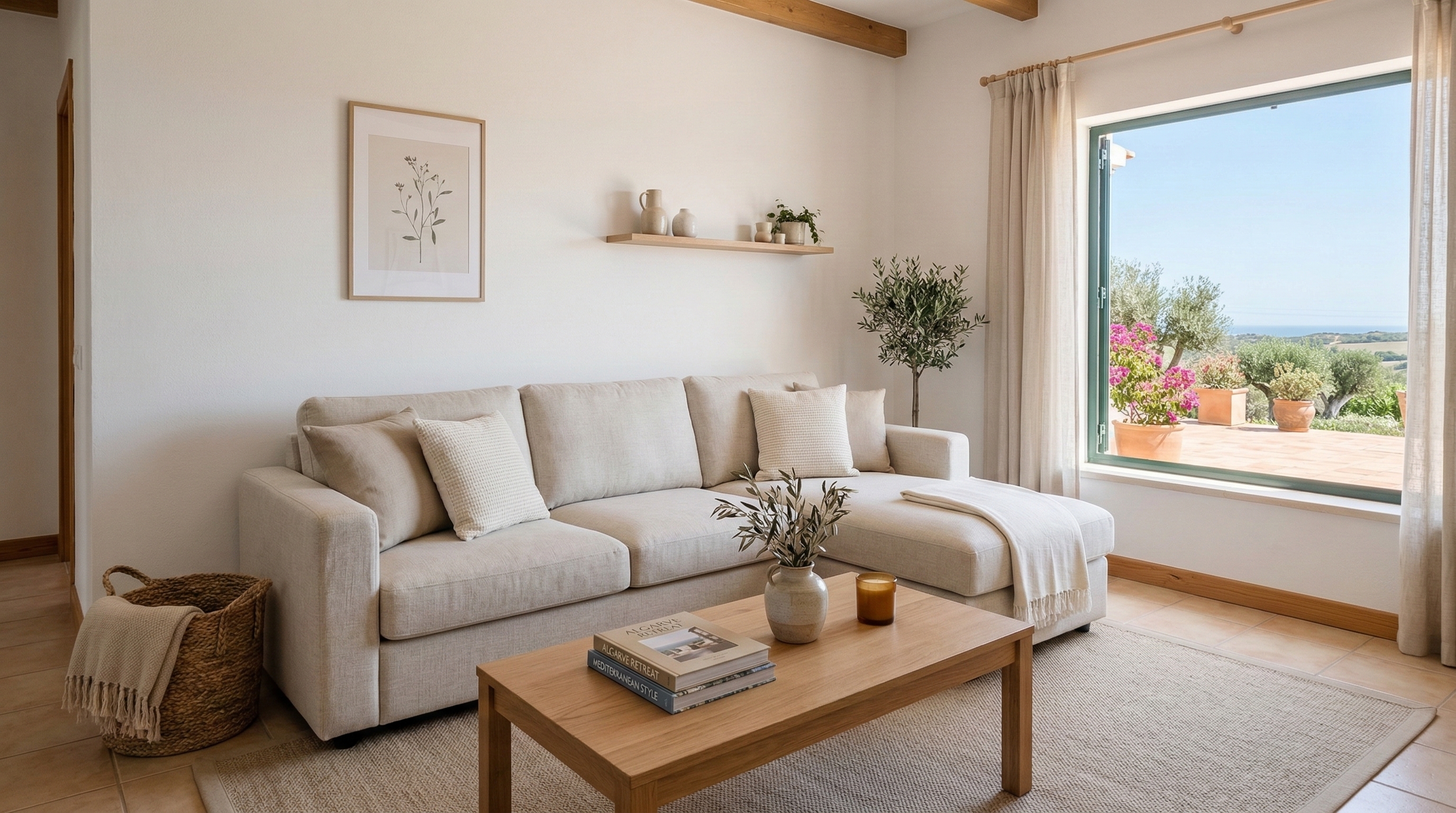
Camera perfectly leveled, ensuring the vertical lines of the space (wall corners, doors, and windows) are strictly parallel to the edges of the photo. Straight lines guarantee architectural solidity and balance.
Intermediate Technique
Bubble level, adjustable tripod, and active camera grid.
All interior and architectural exterior photography.
Visual stability; undeniably conveys professionalism and precision.
Closed Windows vs Open Windows
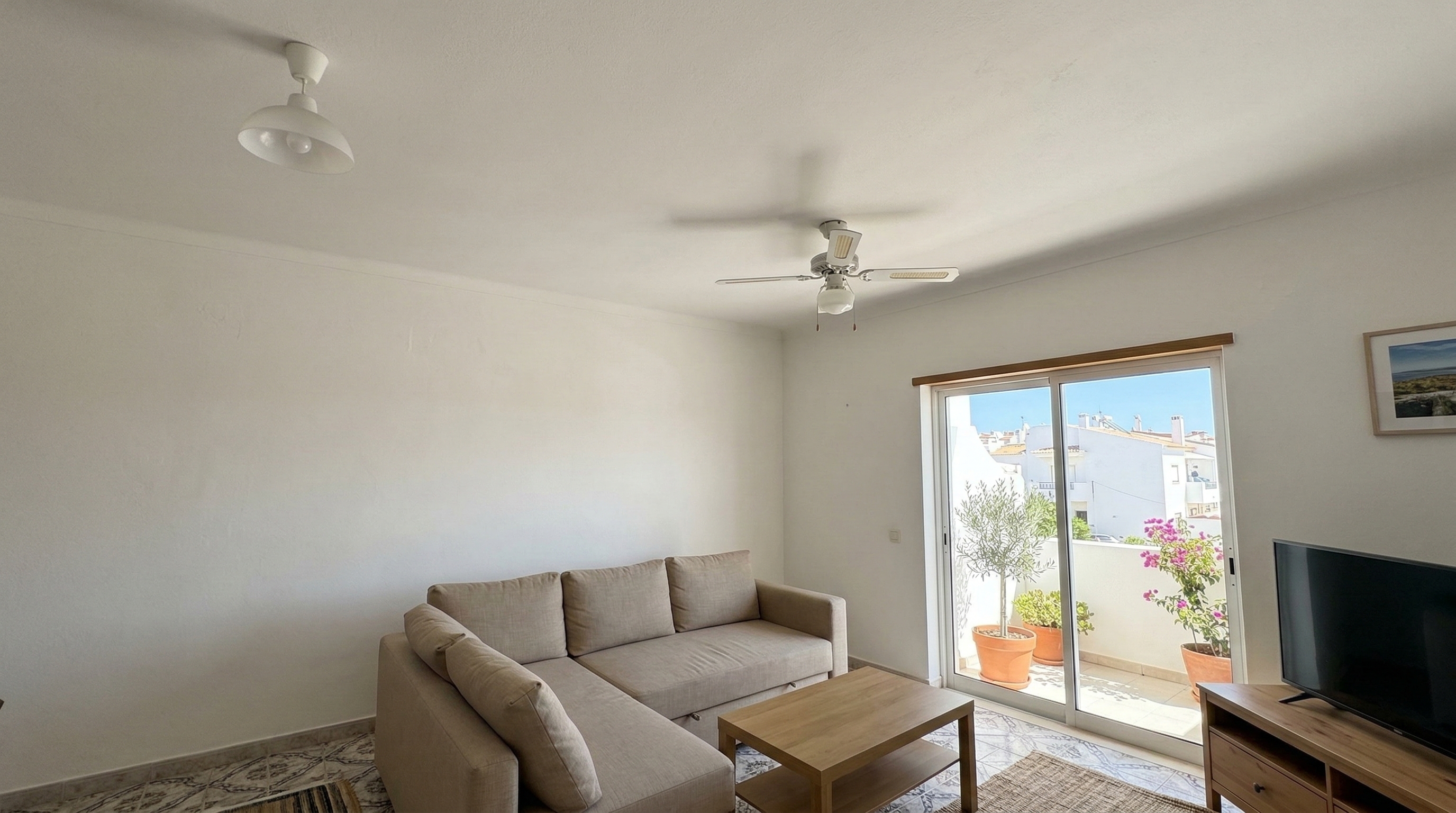
Blinds fully or partially closed, heavy curtains drawn tight. This turns bright rooms into dark, oppressive spaces that seem to be hiding flaws on the outside.
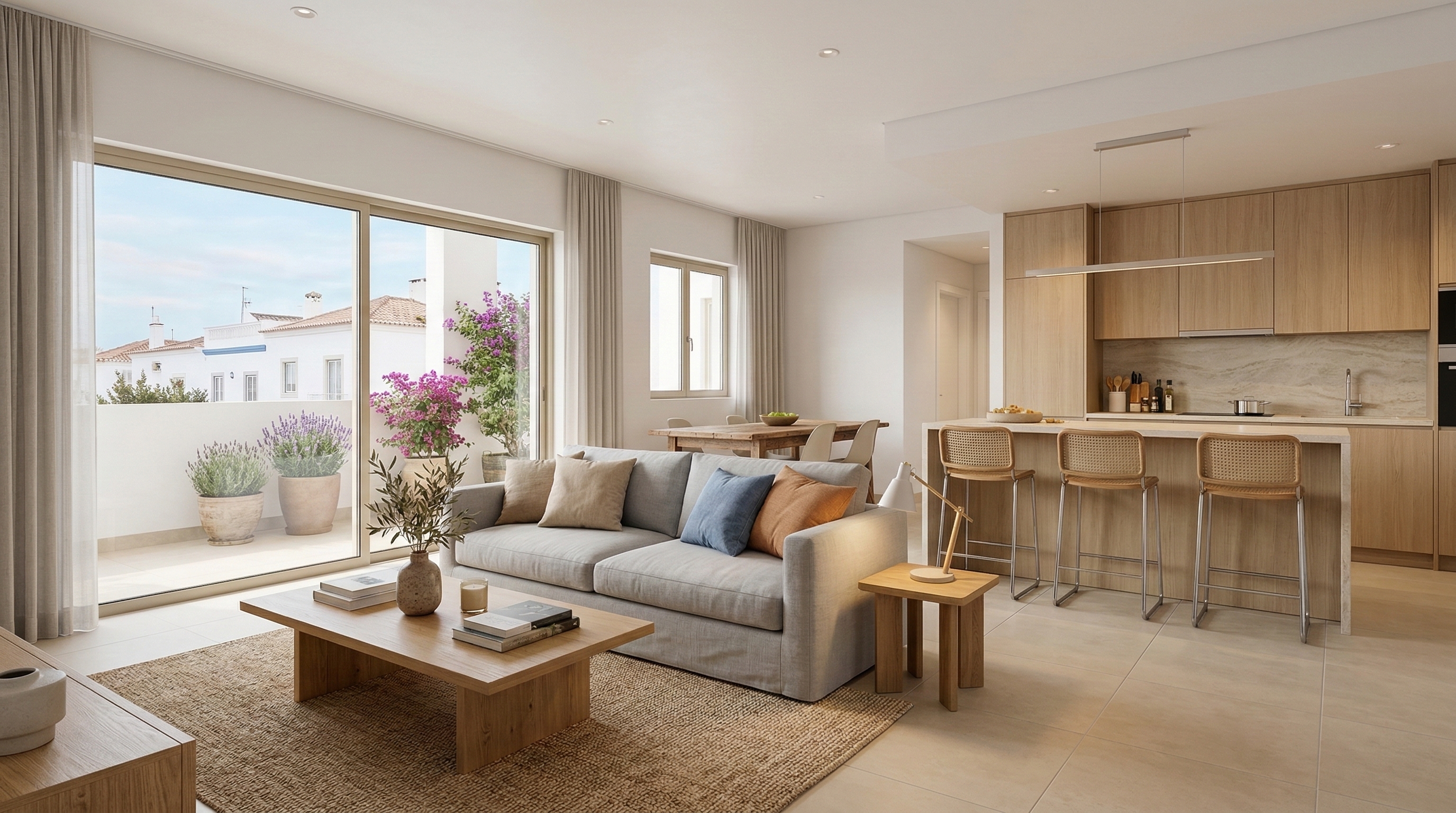
Blinds rolled all the way up, curtains pulled to the sides (only tied/done if the design warrants it). Brings the outside in. The sun, even if overexposed, attracts and vitalizes the environment.
Very Simple
Physically open windows/blinds and manage excessive breeze.
When the exterior view isn't completely detestable.
Maximizes natural light, connects to the surroundings and enlarges the room.
Lighting: Coarse Mix of Temperatures
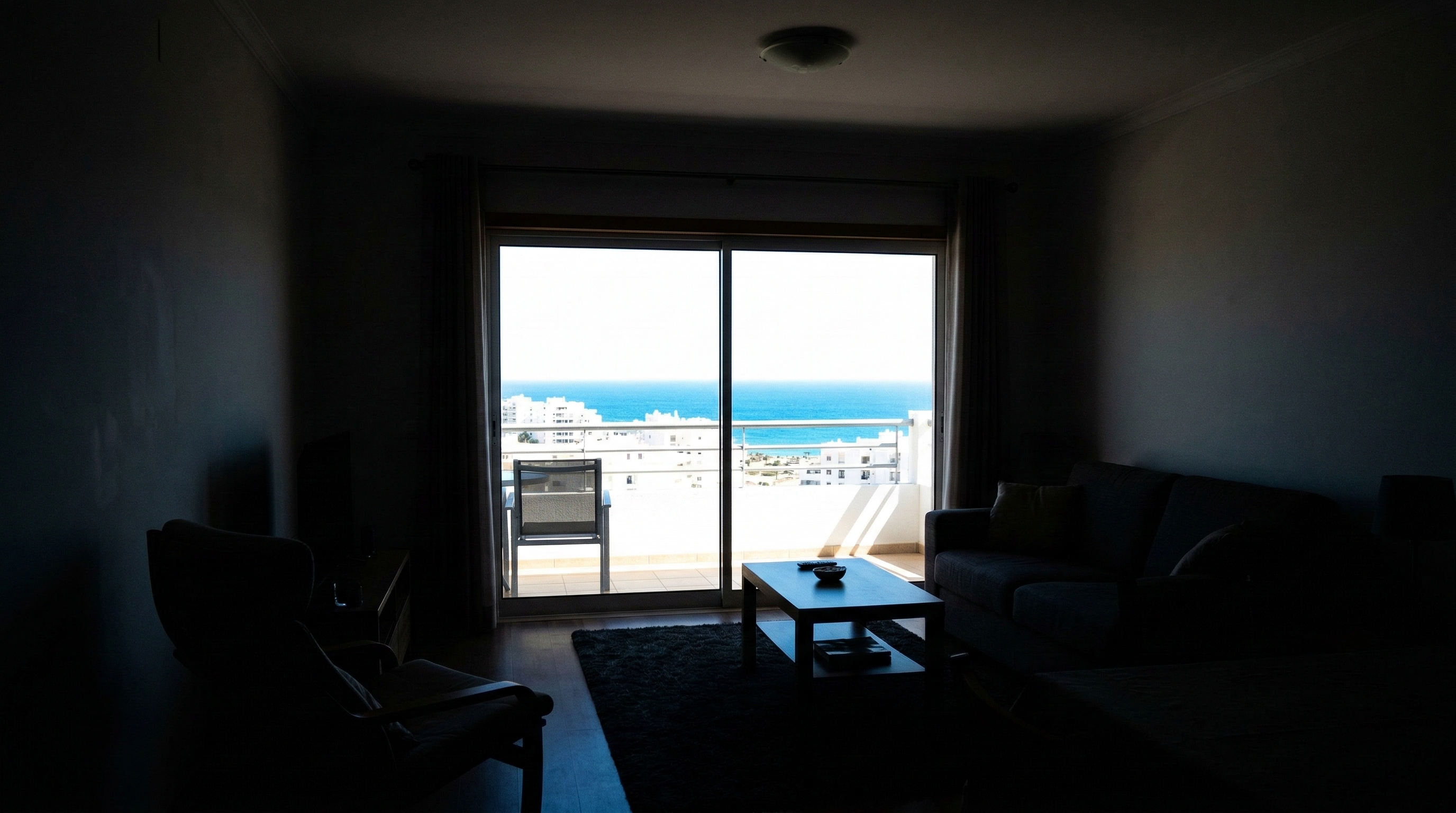
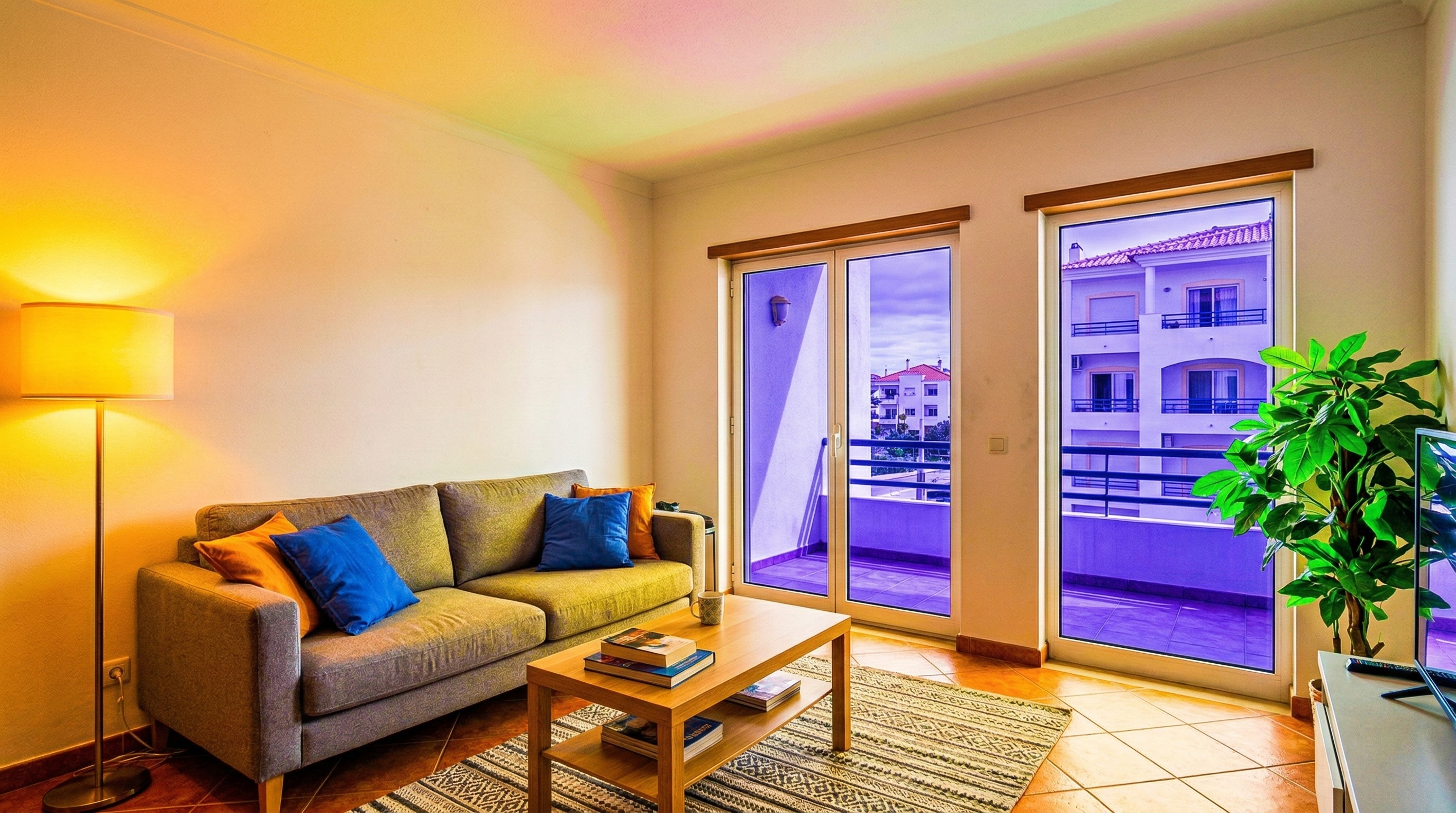
Shooting with super blue natural light from windows and turning on old yellow/incandescent bulbs at the same time. The mix of colors creates imbalance and horrific shadows; the brain rejects the mixed color temperature.
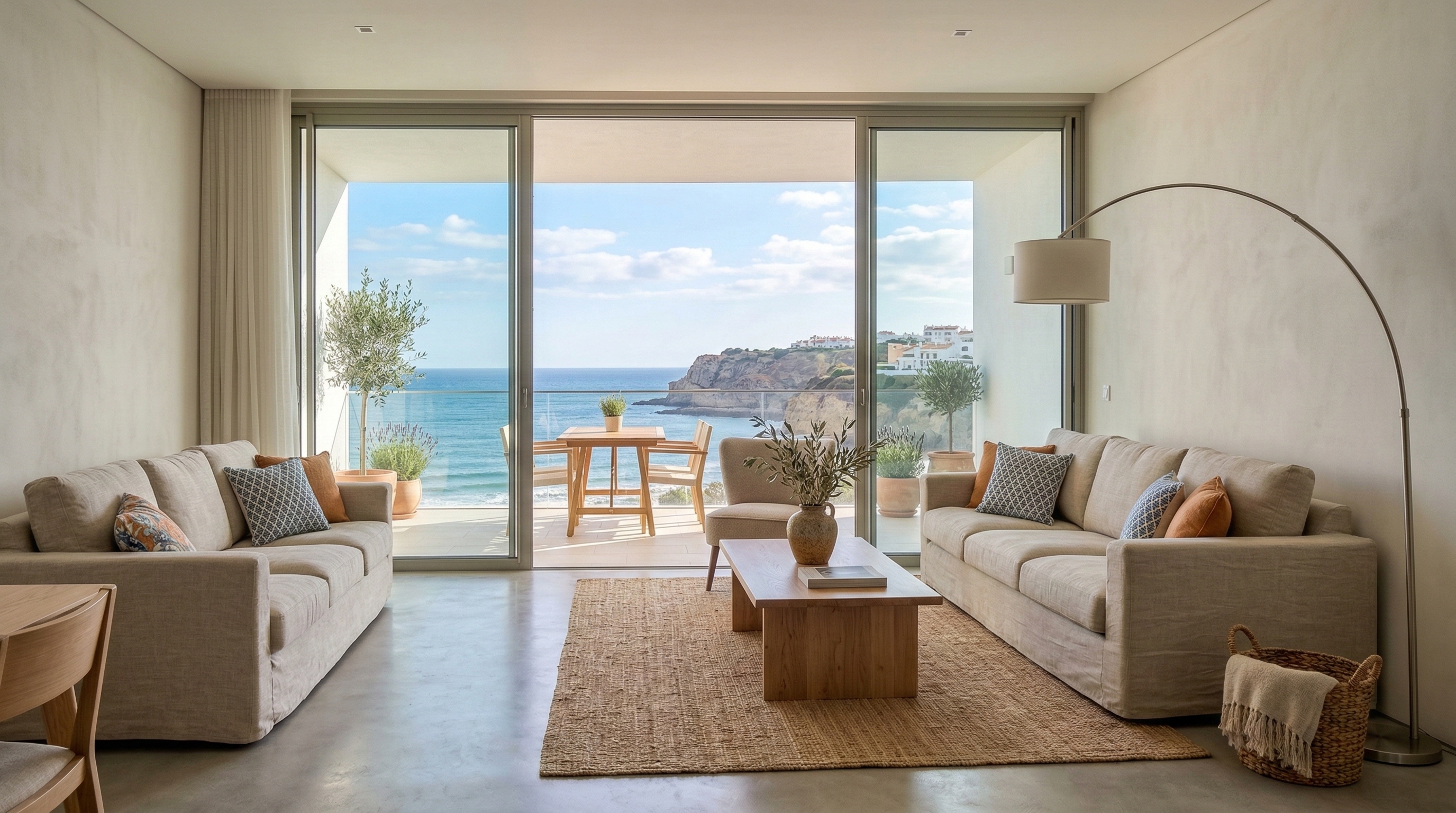
Lighting equalization. Turn off all artificial lights and use HDR fusion with natural light OR turn on all lights of the same tone (if decorative) balancing the exterior exposure. Professional photography uniformizes and cleans the colors.
Advanced Technique
Post-production HDR/Bracketing or off-camera flashes.
Old apartments, dark days, luxury villas, and complex lighting.
Realistic colors, inviting atmosphere, and premium quality.
The Right Camera Height (Eye Perspective)
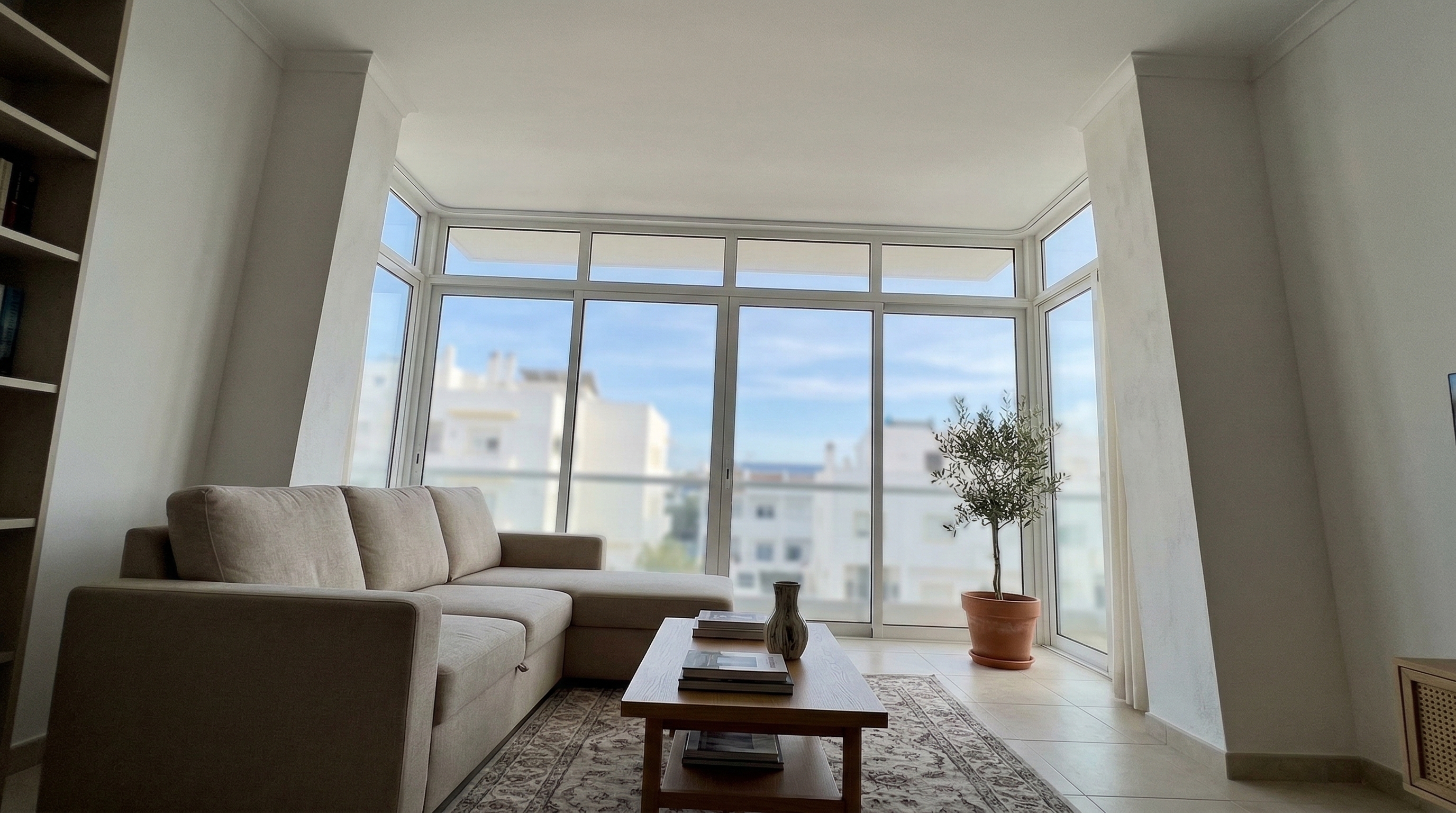
Camera positioned at human eye level of a standing person. This perspective creates too much ceiling distortion in a normal space and shows too much empty floor area. In low rooms, it feels oppressive.
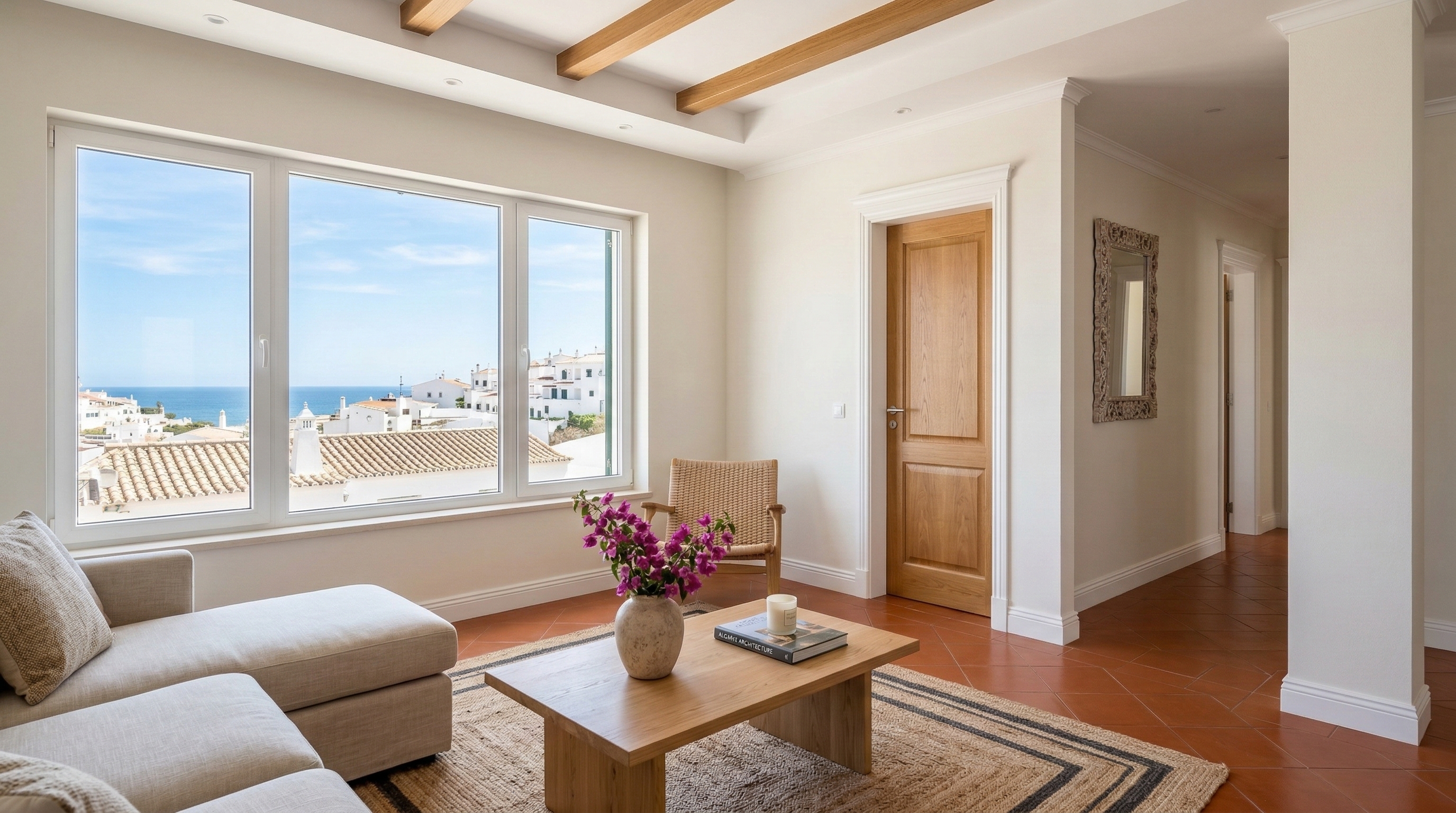
Camera positioned roughly at chest or lower waist height (about 1.10m to 1.30m from the floor). This lowers softens the ceiling and keeps furniture and floor metrics perfectly proportional, highlighting clear design.
Basic Technique
Adjustable tripod or physical awareness of body position.
All standard property photography.
Promotes breathable overhead space and focuses attention on utility and structure.
Focusing on the Wrong Thing: Ceiling or Upper Obscurity
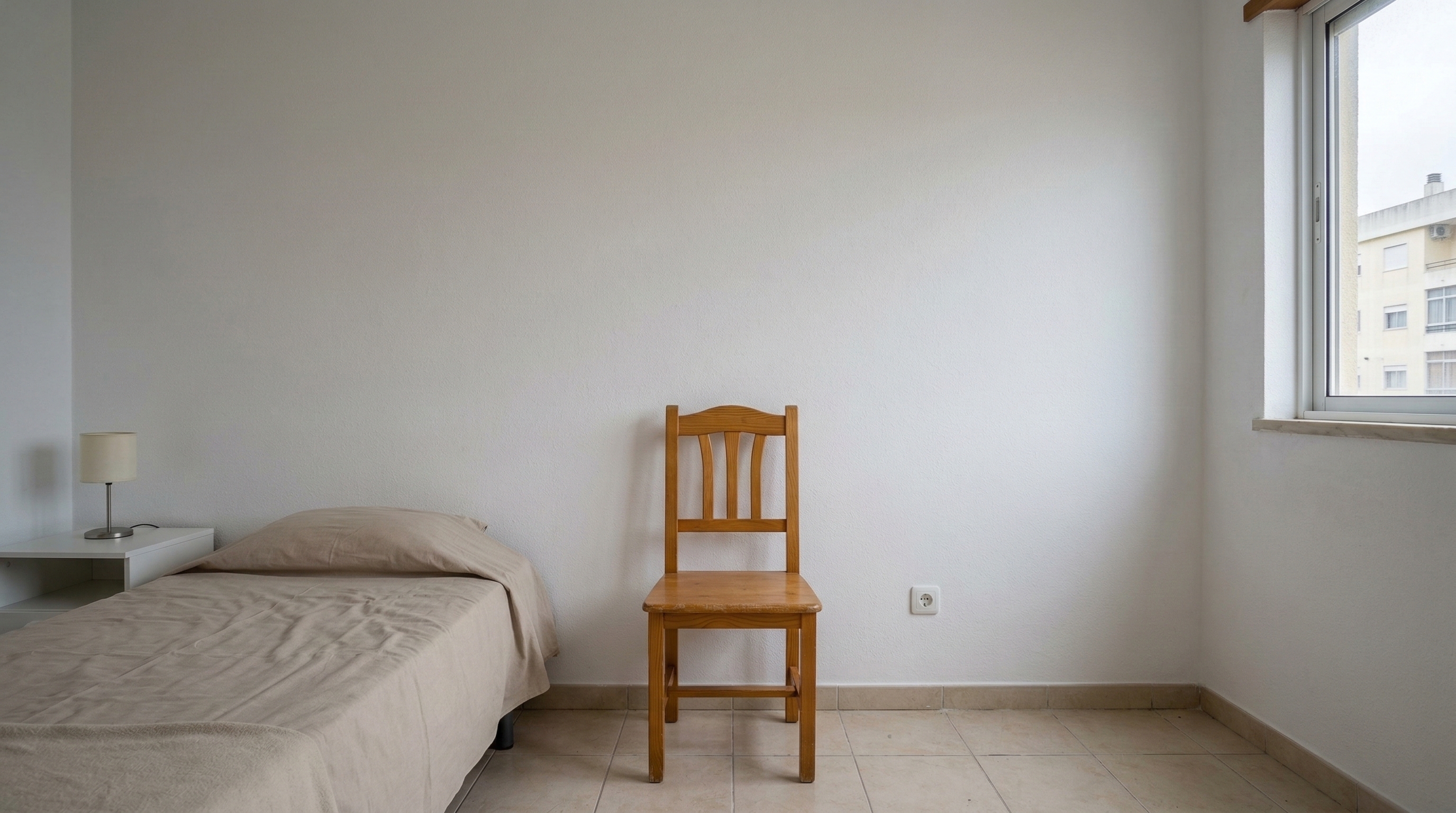
The lens pointing excessively up to capture an unimportant light fixture, leaving a living room's seating forgotten in the bottom background, or pointing to the floor revealing little structure.
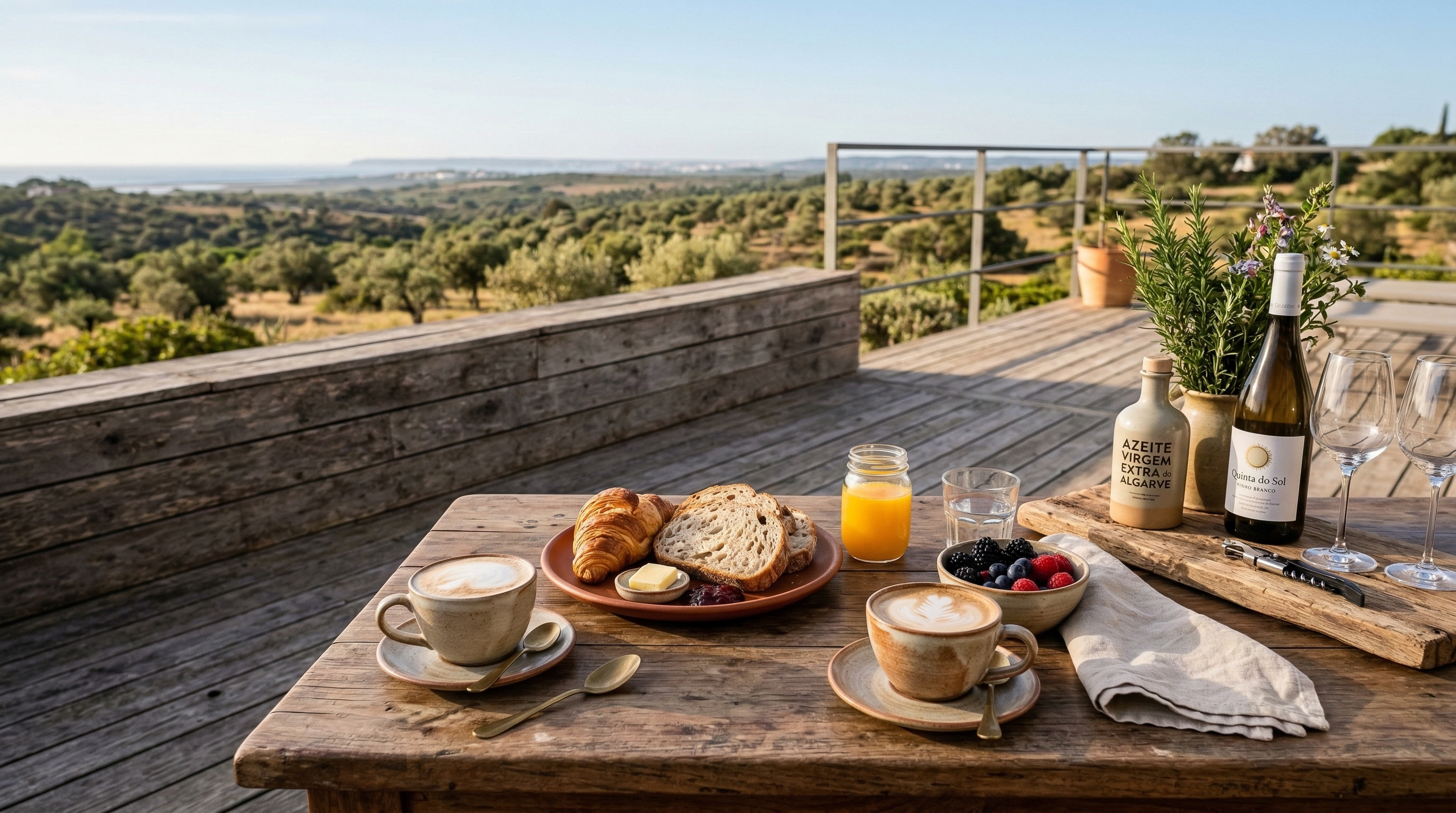
The horizon line in the middle ground. In more sophisticated photos, the image is geometrically divided so that floor, sofa, and side openings are balanced to decide which central element emotionally attracts the eye based on scale.
Compositional Attention
Using the rule of thirds in the camera.
Structural enhancement of the environment and property details.
Guarantees correct distribution of information, focusing without forcing unrelated elements.
The Amateur Direct Flash
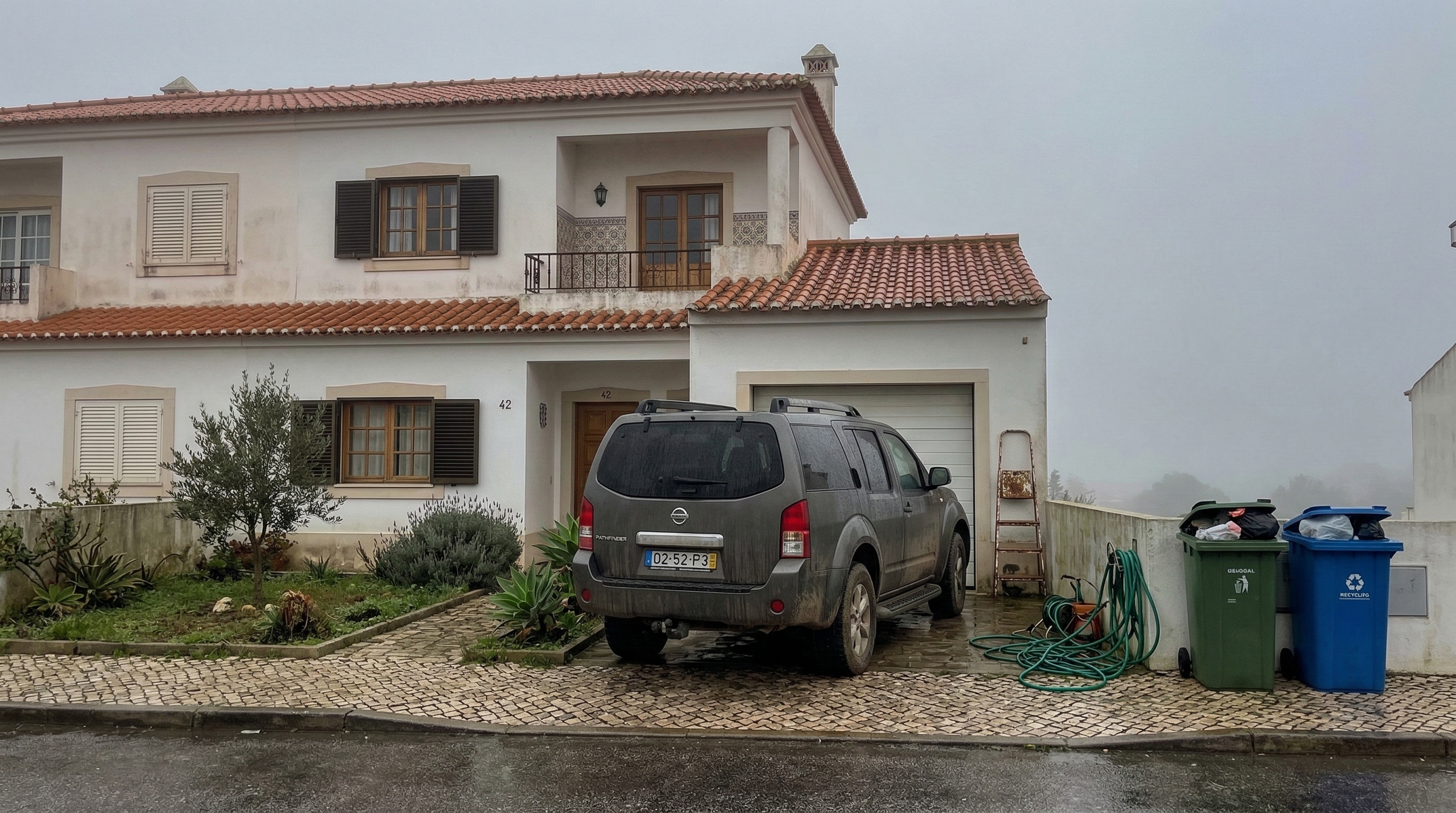
Turning on the small built-in camera flash, creating a harsh reflection shadow on the wall, blinding and losing definition, and horribly illuminating head-on whoever or whatever is in the shot.
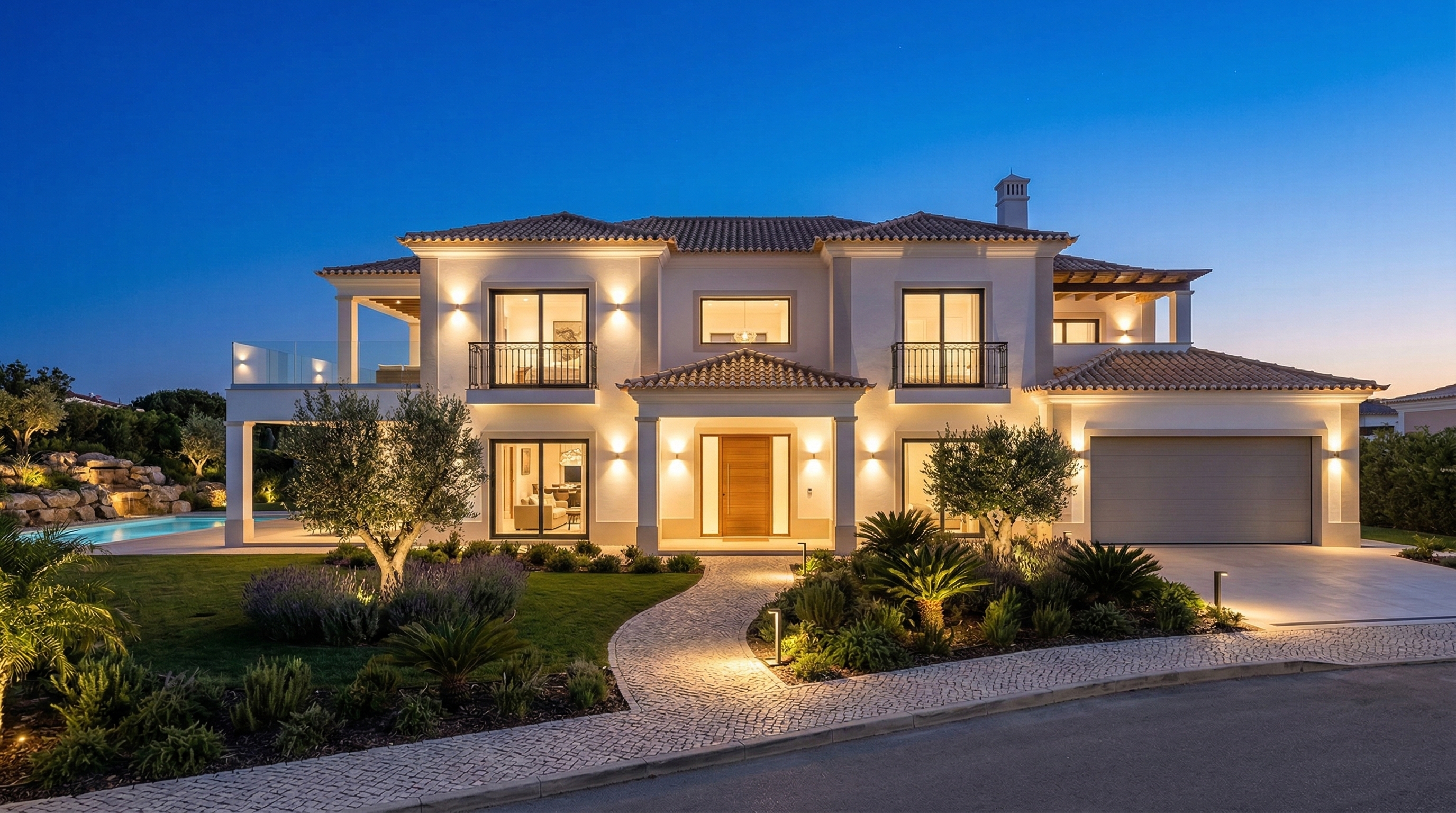
Beautify and contour light with diffusers or use multiple lights correctly aimed at the ceiling in a technical way, balancing the brightness of walls and windows evenly and free of creepy vibes.
Advanced Attention
Use of exterior bouncing with dedicated reflection systems.
Specific to problems with dark houses deep in accesses.
Softly illuminates hidden areas, creates volumes and cleans distracting spots.
Dealing with Super Bright Windows
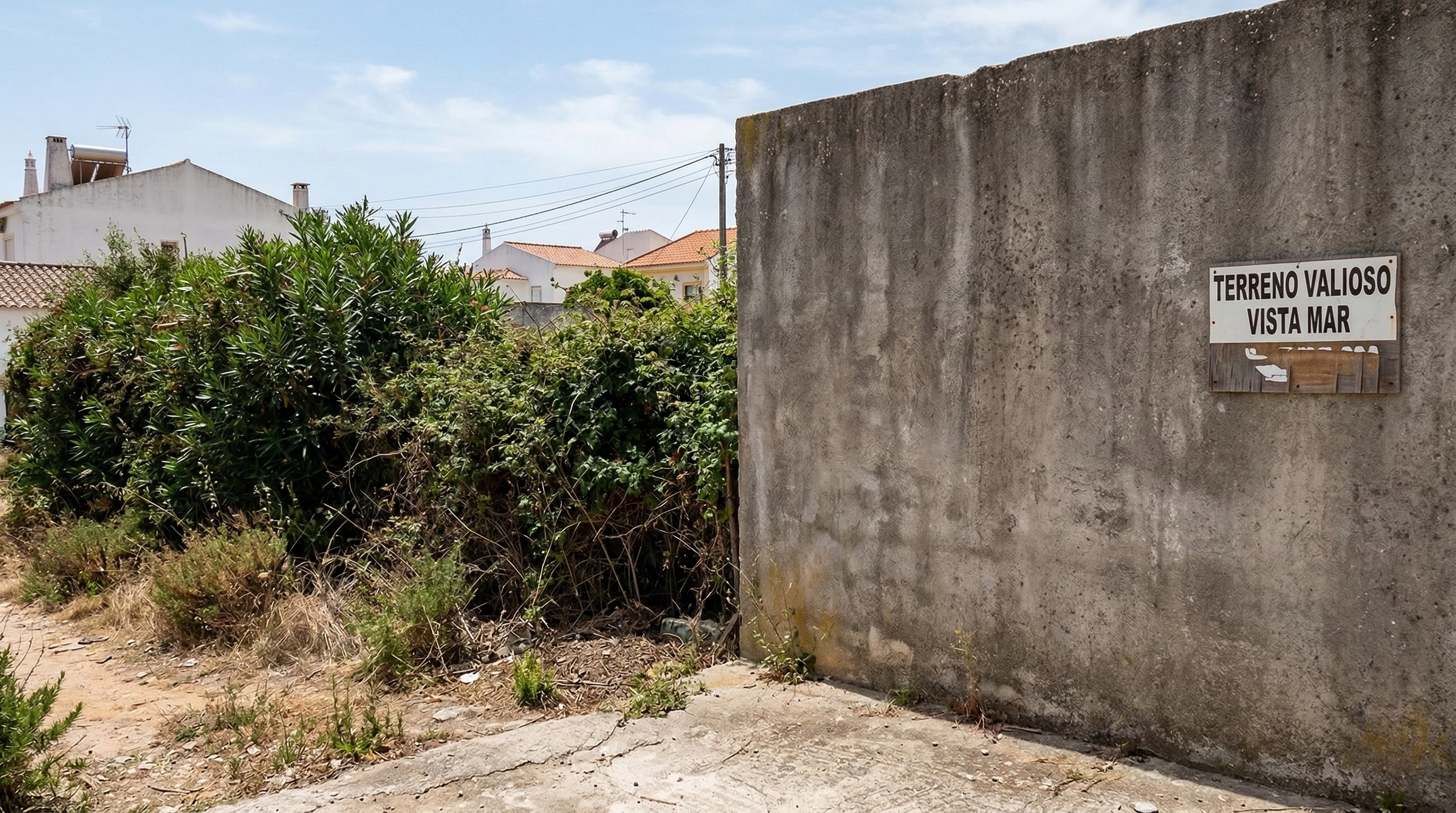
Window blown out in a 'blown' white flash blinding the entire window and surrounding wall, eliminating any view beyond it and devoid of the slightest definition or visual charm to capture to sell the exterior landscape.
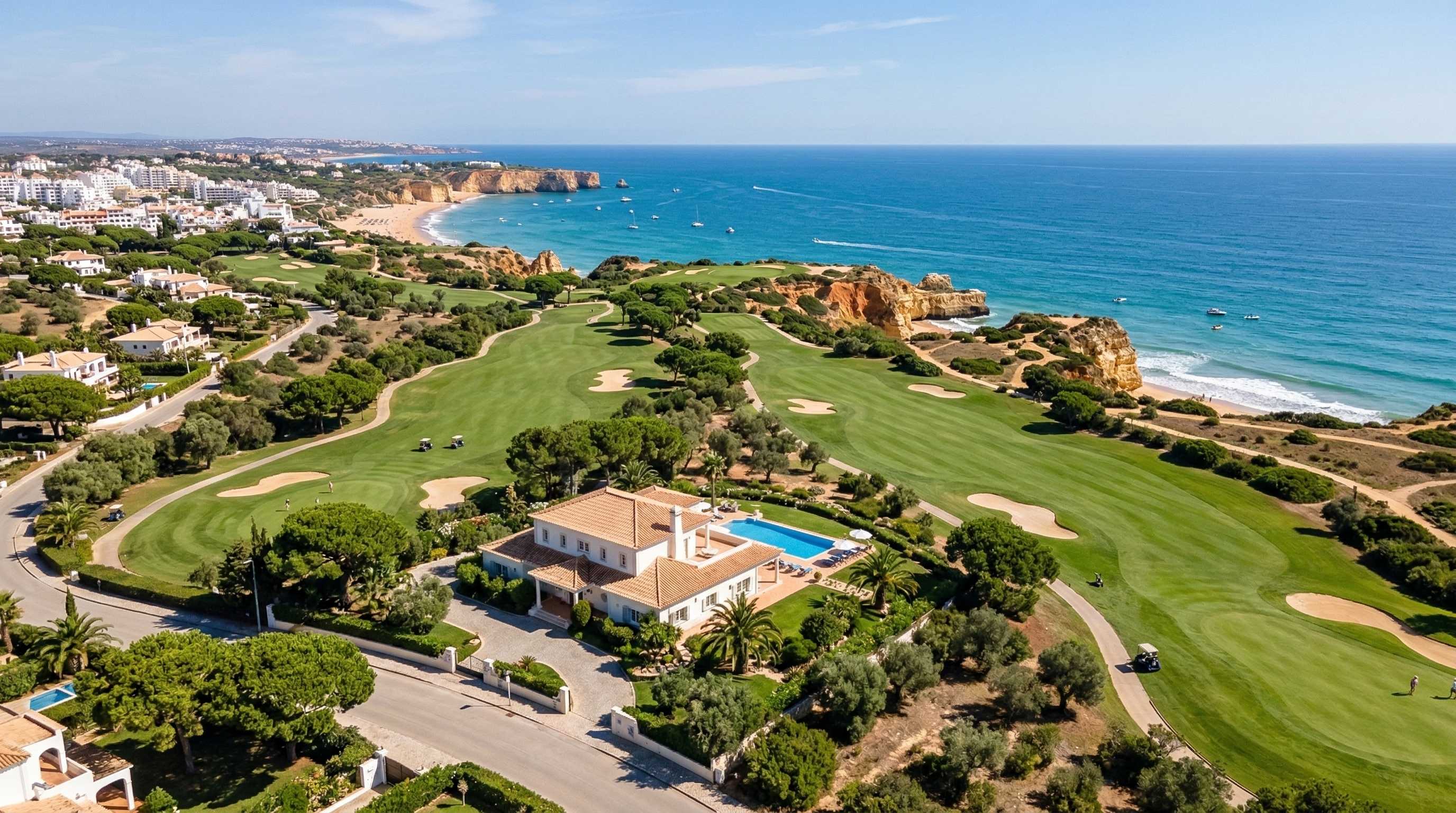
Multiple photographic processes (Bracketing) allow you to merge layers of normal internal wall visibility with a perfectly framed clean, detailed landscape of the beautiful pool to the natural sea in post-editing without local distortion tricks.
Master Software and Technique
Mandatory base tripod and post-stacking software editing.
Villas in the Algarve with sea views, Mountains, surrounding gardens, golf or lakes with large openings.
Attracts emotional investment focused on valuable exteriors while keeping the interior perception clean.
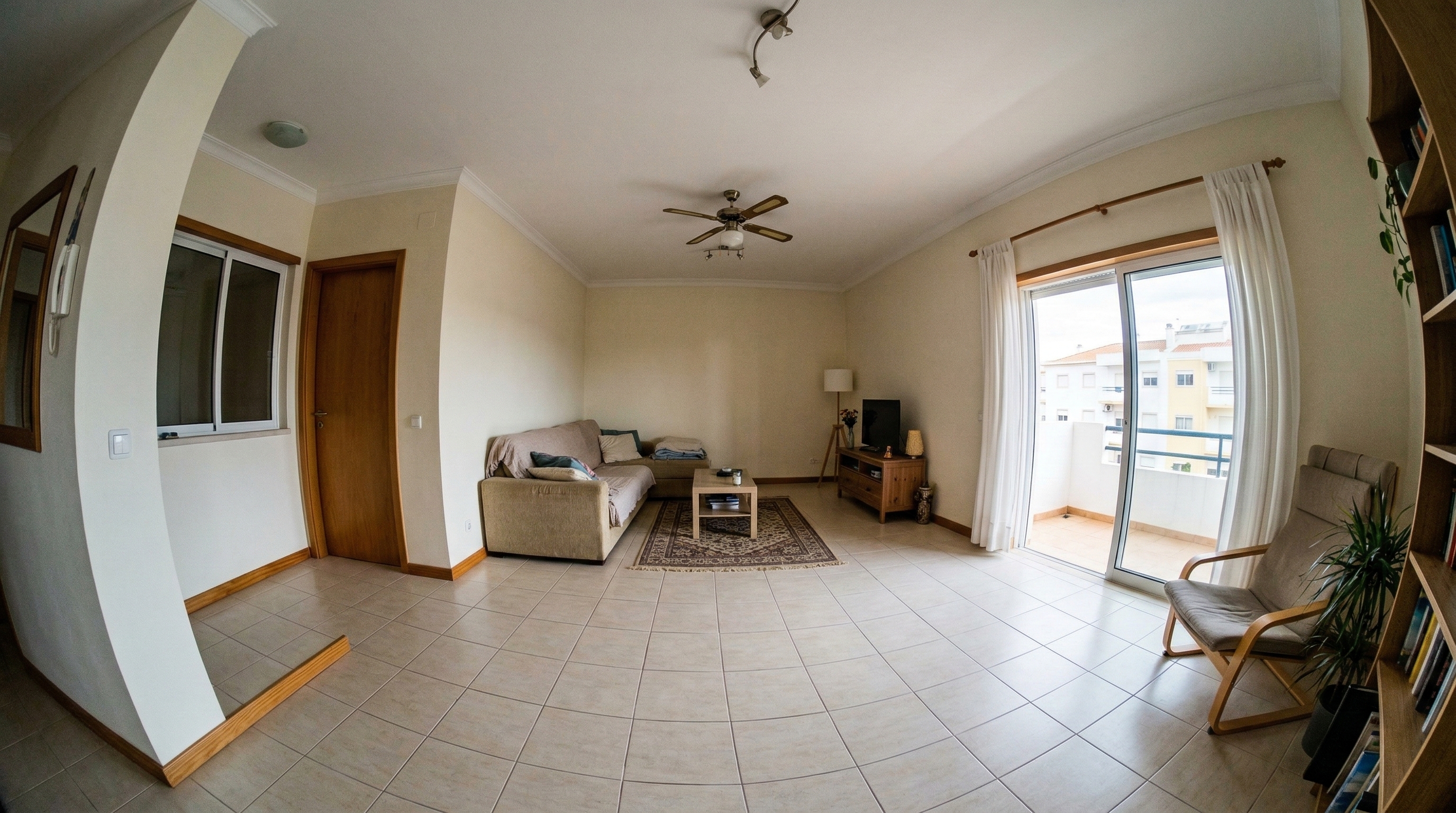
Excessive Wide Angle (Disappointment Effect)
20-meter hallways seemingly created by low-angle lenses (e.g. 10mm or 14mm) distorting furniture close to the camera, turning chairs into flattened shapes. In exchange, the client feels completely cheated upon visiting the real 2-bedroom apartment.
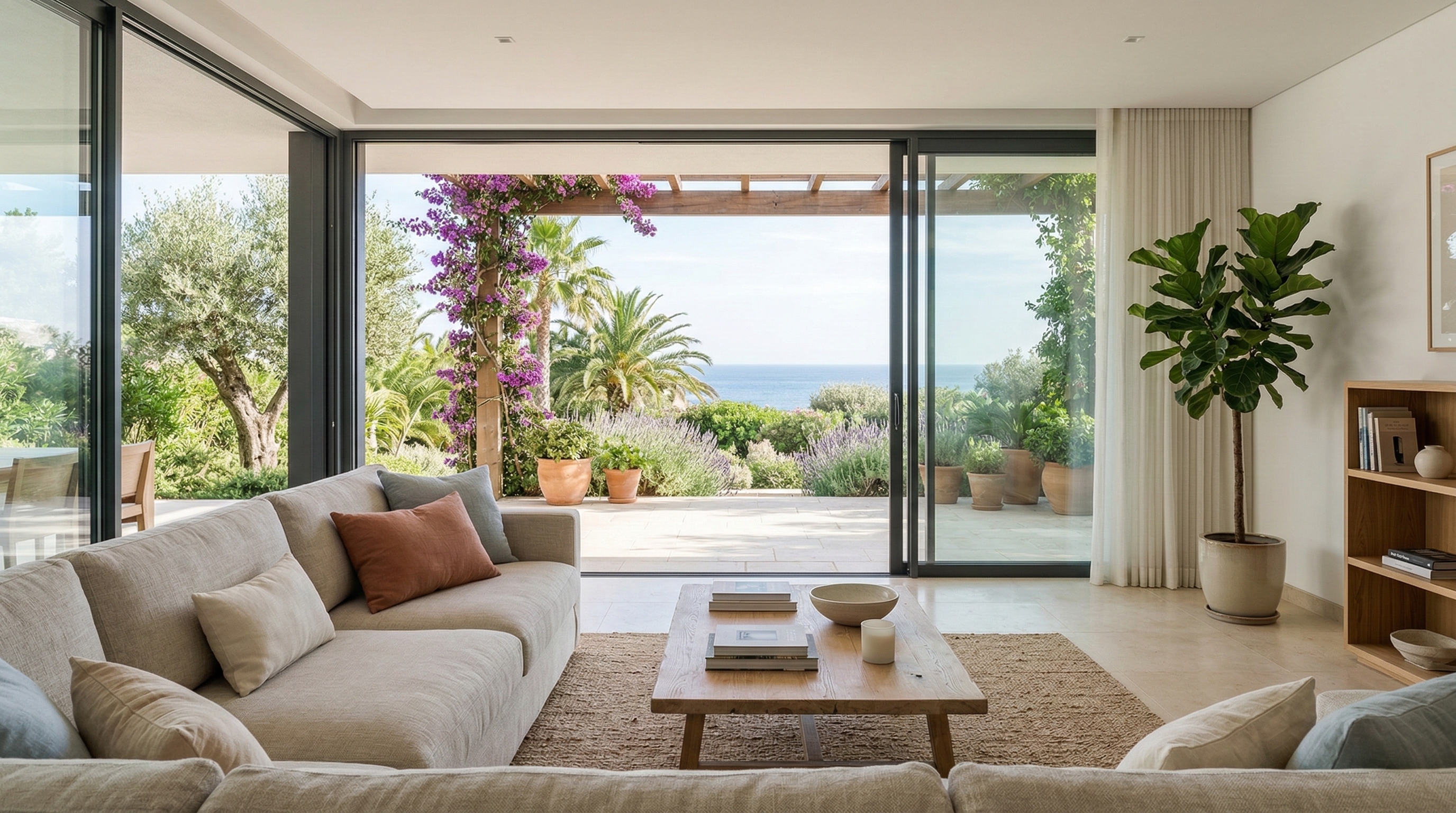
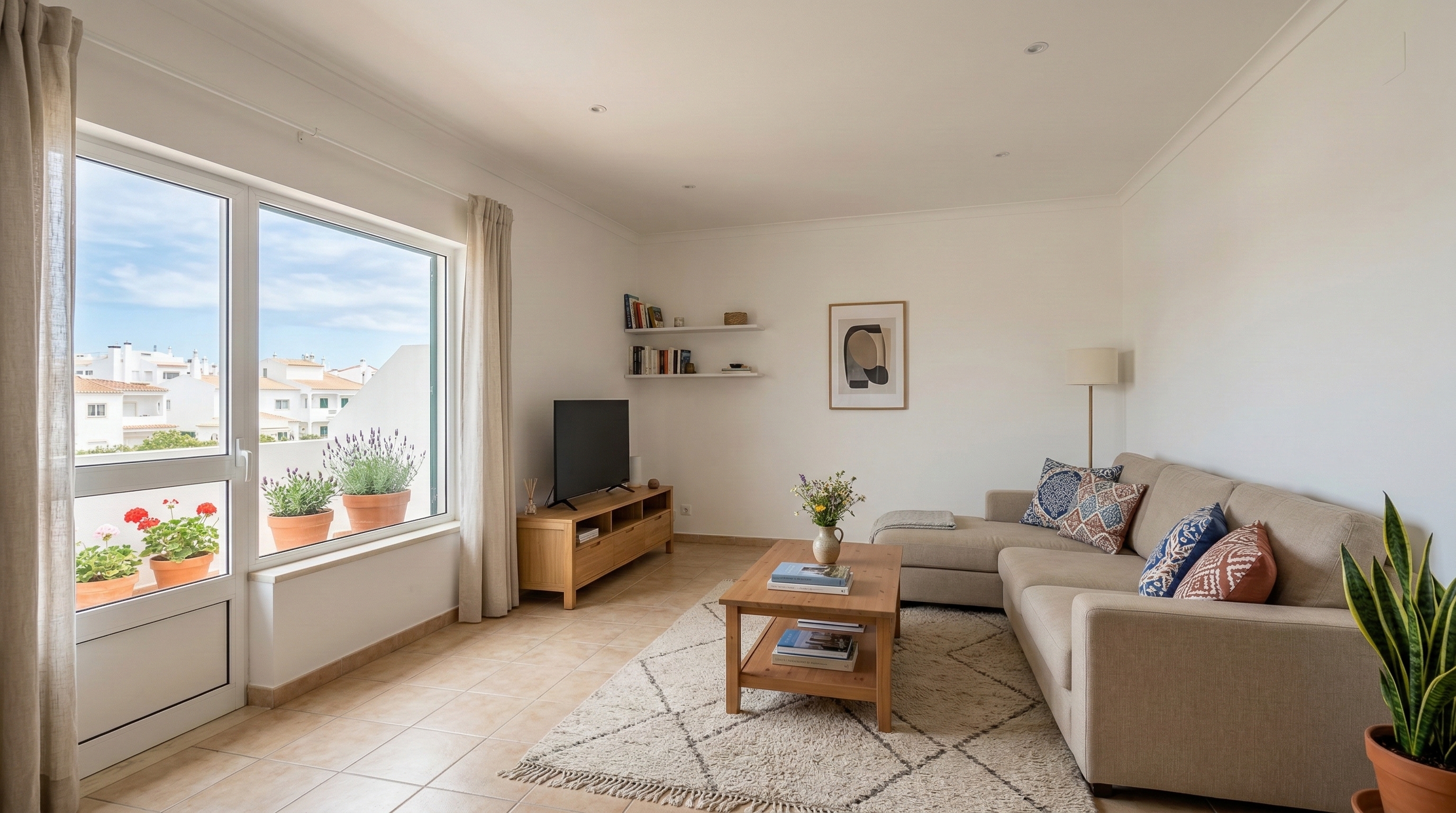
Optical knowledge to avoid and use an appropriately moderate and natural angle (about 20-25mm on Professional equipment) creating the true sensation of how spacious it is, free of false illusions, but cleanly, perfectly natural to clients on the future visit.
Common Sense and Equipment
Professional medium lenses vs the excessive trend of super wide cell phone lenses.
Prevention of closing losses in showings of averagely small apartments.
Extreme total credibility and guarantees that online expectations match the real outcome at the sales visit.
METRICS LEGEND AND INTERPRETATION
Complexity (1-5)
Level of photographic knowledge and learning curve required to execute the technique correctly.
Required Resources
The physical materials (tripods, lights, flash) or optical equipment needed of a professional or accessible nature.
Ideal Use Cases
Circumstances and property types or lighting where this technique has the most positive impact on the sale.
Advantages of Implementation
The direct commercial, psychological, or emotional benefit of the investment that will boost your image.
MAKE A DIFFERENCE WITH THE WOW FACTOR
Now that you are familiar with the essential methods of capturing perspectives. How do you actively prepare the property before the click? Find out now in Home Staging.